In 2026, the Recovery Plan's Next Generation grants for renovating homes in the Balearic Islands are no longer accepting applications: the deadline closed on 30 June 2025 and only works already awarded continue. What remains open are the income tax (IRPF) deductions for energy efficiency, of 20% and 40% until 31 December 2026 and 60% for whole buildings until 2027, for facade, insulation, window and thermal envelope works that achieve the required energy savings.
If you own a house or an old building in Mallorca and are thinking of renovating it, 2026 is a good time to find out about the grants for housing rehabilitation in the Balearic Islands. The grants from the European Next Generation funds, channelled through the Recovery Plan and managed by the Balearic Government, are no longer accepting applications, but the works already awarded are still under way and the income tax deductions remain open. In this guide, updated for 2026, we explain which grants there are, how much they cover, which works qualify, how to apply and which deadlines apply this year. As a Mallorcan construction company since 1967, at Armalutx we carry out the kind of work that qualifies for this aid.
What aid is available for home renovation in the Balearic Islands in 2026?
In 2026 there are two blocks of renovation aid to tell apart: direct grants from the Next Generation funds, whose applications closed on 30 June 2025, and income tax (IRPF) deductions, which remain open. Both reward improving the property's energy efficiency. In an owners' association, this aid is built into the building rehabilitation works in Mallorca and they determine when they must be requested.
The subsidies of the Recovery Plan are structured in programmes managed by the General Directorate of Housing and Architecture of the Government of the Balearic Islands. The Programme 3 funds the renovation of whole buildings; Programme 4, energy improvements to individual homes; and Programme 5 covers the drafting of the Building Logbook for buildings from before 2000. The state deadline for new applications closed on 30 June 2025, so in 2026 the focus is on carrying out the works already awarded (with an extended deadline) and on the personal income tax deductions, which are still open. It is also advisable to keep an eye on the BOIB (Official Gazette of the Balearic Islands) in case a new call for applications is published during the year.
How much do the housing rehabilitation grants cover in the Balearic Islands?
It depends on the programme and, above all, on the energy savings achieved by the project: the greater the reduction in consumption, the higher the percentage subsidised. In an entire building, the aid can reach 80% of the investment, while in a single-family home it is around 40%. Income tax deductions are added through a separate mechanism.
These are the amounts in force in 2026 for the main grants for housing renovation in the Balearic Islands and state deductions:
| Programme / grant | How much does it cover? | Eligible work |
|---|---|---|
| Programme 3 – Buildings (Next Generation) | Up to 80% if the savings are ≥60%; max. €18,800/dwelling (+€12,000/building for asbestos); 100% in vulnerable situations | Facade, insulation, roof and windows in multi-family buildings |
| Programme 4 – Housing (Next Generation) | 40% of the action; max. €3,000/dwelling | Windows, insulation and thermal envelope in a house or apartment |
| Programme 5 – Building Handbook | Technical fees subsidy | Drafting the Building Manual (properties built before 2000) |
| Personal Income Tax Deduction 20% | 20% of what has been paid; maximum base €5,000/dwelling | Works that reduce heating/cooling demand by ≥7% |
| Personal Income Tax Deduction 40% | 40% of the amount paid; maximum base €7,500/dwelling | Works that reduce primary energy by ≥30% or upgrade to class A/B |
| Personal Income Tax Deduction 60% | 60% of the amount paid; maximum base €5,000/year | Energy rehabilitation of the entire building |
The Programme 3 requires a minimum 30% cut in non-renewable primary energy consumption and a 25% or 35% cut in heating and cooling demand, depending on the climate zone. You can check the technical details in the official information sheet of the Balearic Government on building renovation and on the website of the Recovery Plan.
Which projects are eligible for rehabilitation grants in the Balearic Islands?
Subsidies are available for projects that improve the energy efficiency of a building, meaning those that reduce its energy consumption. Purely cosmetic renovations and those that do not provide demonstrable energy savings are not eligible.
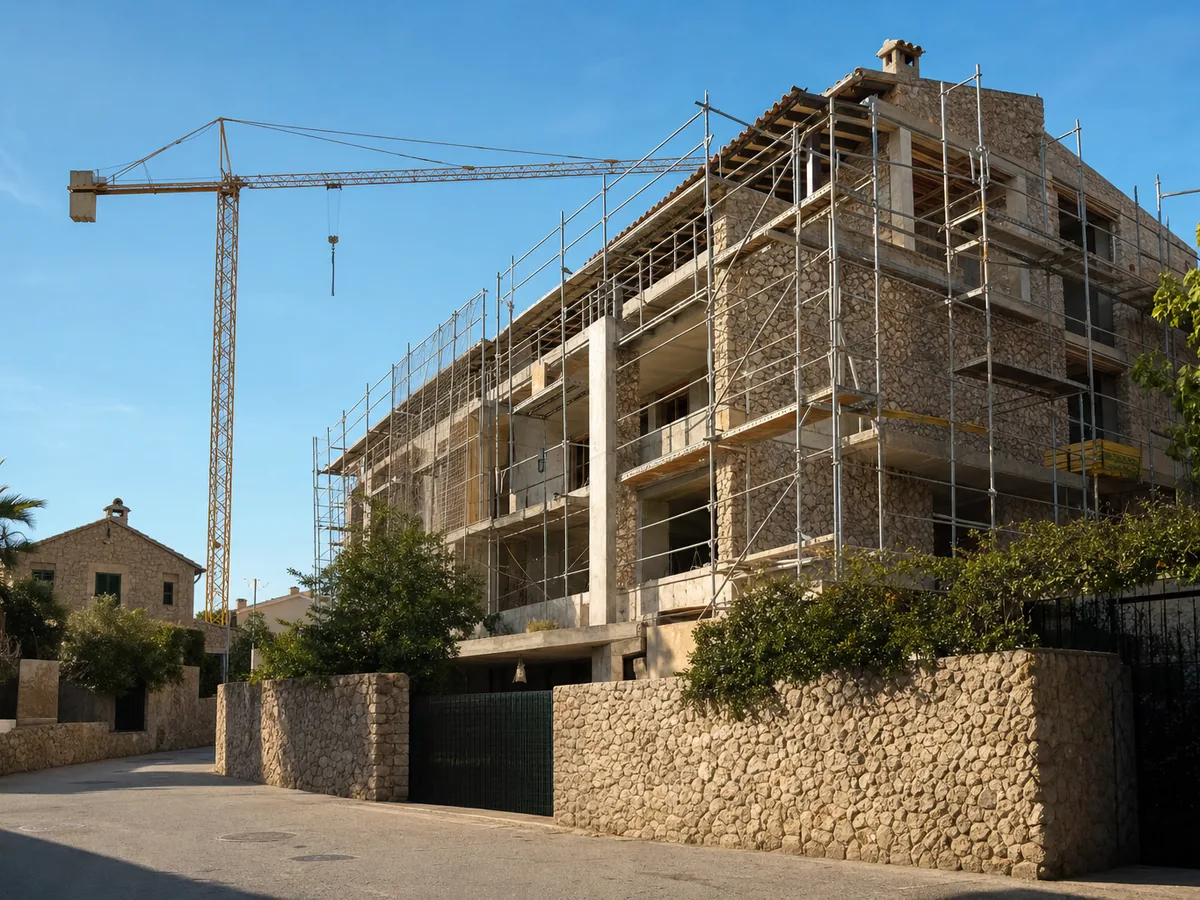
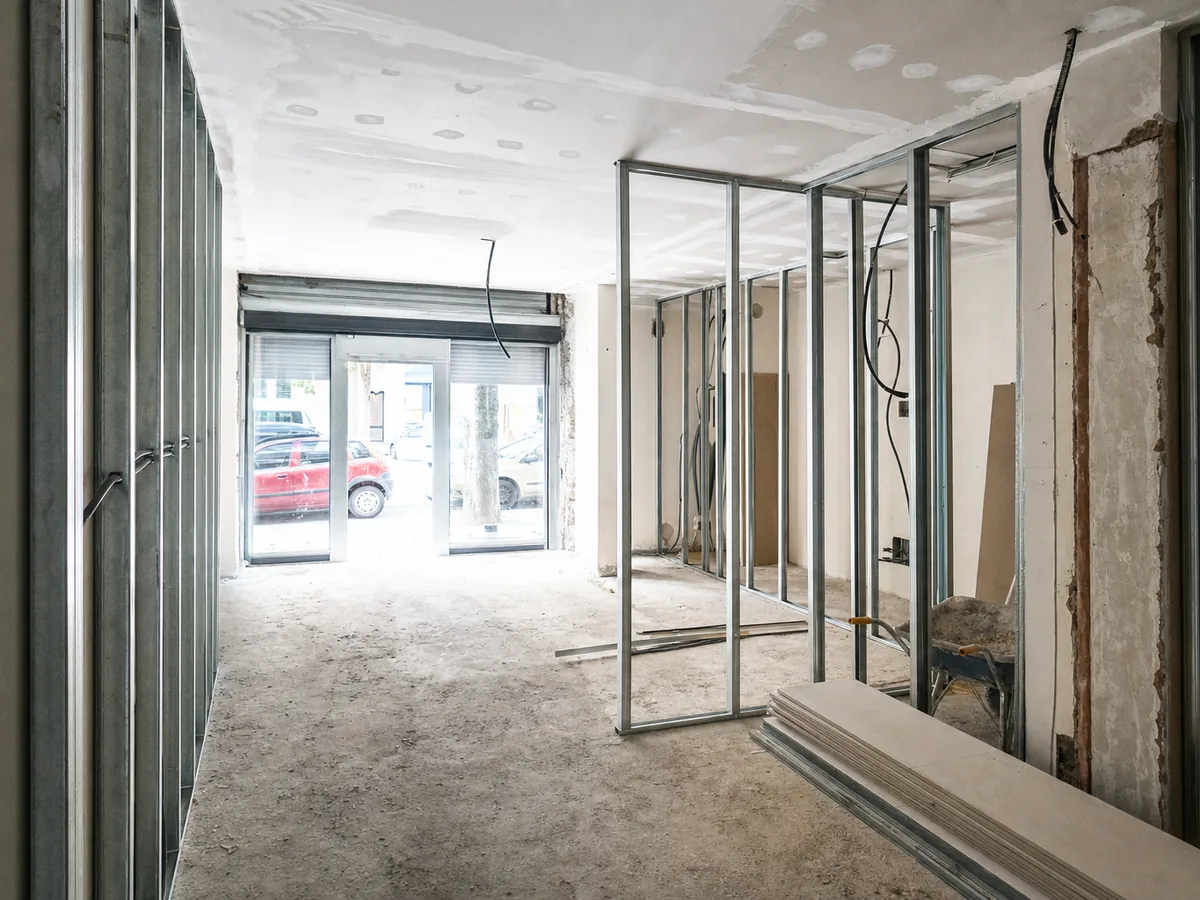
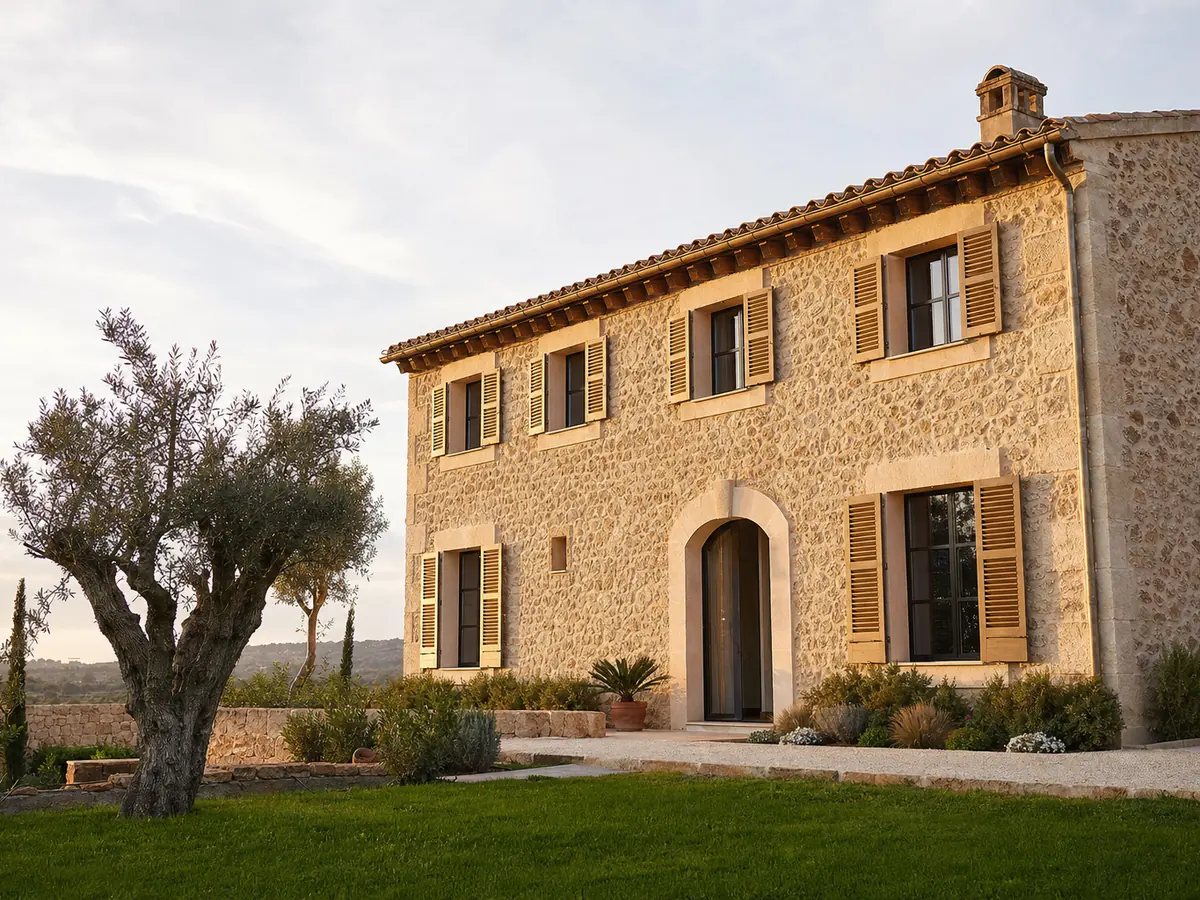
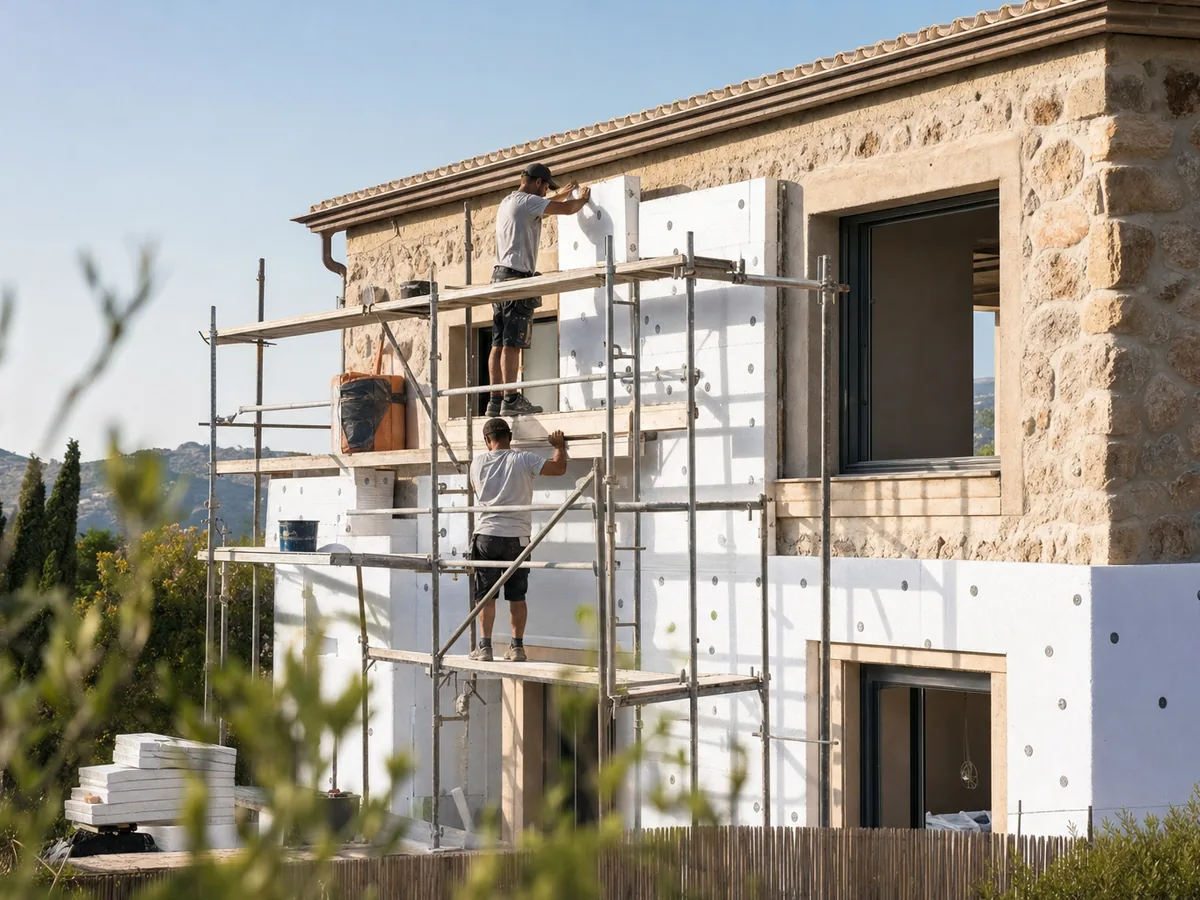
In practice, the rehabilitation aid these projects cover improvements to the building envelope: exterior (EIFS) or interior facade insulation, roof and floor insulation, replacement of windows with more efficient models, and general improvements to the building envelope. They also support the replacement of fossil fuel-based heating and cooling systems with renewable energy or biomass. Many of these interventions overlap with a complete renovation, so it's worth planning them together; to optimise your budget, you might be interested in our guide on how much it costs to renovate a house in Mallorca. On facades, the most common intervention is exterior thermal insulation, which we cover on our page about facade renovation in Mallorca.
According to the IDAE, these works are what allow reaching the 30% of primary energy savings that serves as a threshold for almost all lines of aid.
How do I apply for housing rehabilitation grants in the Balearic Islands in 2026?
The application is a technical and documentary process: you have to show, before and after the works, the energy savings achieved. These are the usual steps to apply for grants for housing rehabilitation in the Balearic Islands:
- Initial energy certificate. A qualified technician issues the certificate of the condition of the property before the works, which will serve as a starting point.
- Project or performance report. The work is defined and it is justified that it will achieve the required savings (≥30% of non-renewable primary energy, or the corresponding improvement of the building envelope).
- Construction company's quote. You need a quote from a company that will carry out the work; at Armalutx we prepare fixed-price quotes, with no surprises.
- Submission of the application. It is processed at the CAIB electronic headquarters or at one of the Rehabilitation Offices, within the call that is open.
- Execution of the works within the given timeframe, with the invoices and supporting documents in order.
- Final energy certificate that proves the savings achieved, along with the supporting documentation for the expense.
- Collection of the grant or, where applicable, application of the deduction in the income tax return for the year.
The Ministry of Housing and Urban Agenda publishes the requirements common to all regions, while the Balearic Government sets the deadlines and calls for the islands.
Personal income tax deductions for energy rehabilitation: the aid in force in 2026
This is the path that remains fully open in 2026. State deductions for energy efficiency improvement works have been extended until 31 December 2026 and are applied in the income tax return, without call or competition.
There are three tiers depending on the outcome of the work: 20% (works that reduce heating and cooling demand by at least 7%, maximum base €5,000), 40% (reduction of at least 30% in non-renewable primary energy or achieving class A/B, maximum base €7,500), and 60% for the energy rehabilitation of the entire building. In all cases, a post-construction energy performance certificate is mandatory. This aid combines well with a planned renovation, something we incorporate into every project home renovations in Mallorca.
When you CANNOT request help
Not all projects or situations qualify for a grant. These are the most common scenarios in which the grant is lost or not awarded:
- The work has already started or was completed late. Actions prior to 1 February 2020 are not eligible for funding by Next Generation, and some lines require applying for aid before starting.
- The house does not meet the technical requirements. If the project does not achieve the minimum required savings (around 30% of non-renewable primary energy) or the property is not for residential use, the application is denied.
- The application period is closed. The state period for applying for Programmes 3, 4 and 5 ended on 30 June 2025; as of mid-2026 there is no new regional call open, although it may be reopened.
- The technical documentation is missing. Without an initial and final energy certificate, or without a project justifying the savings, it is not possible to process any of the grants for housing renovation in the Balearic Islands.
Frequently asked questions about rehabilitation grants in the Balearic Islands
Are the grants for housing rehabilitation in the Balearic Islands still open in 2026?
The deadline for submitting new applications for Next Generation EU funding programmes 3, 4, and 5 was 30 June 2025. The personal income tax deduction for energy efficiency improvements remains fully in effect in 2026, and the deadline for completing previously granted projects has been extended. It is advisable to check the Official Gazette of the Balearic Islands (BOIB) in case a new application period opens.
How much money can I receive for renovating my home in the Balearic Islands?
It depends on the programme and the energy savings. For a single-family home, Programme 4 of the Next Generation funds covers 40% of the project, up to a maximum of €3,000. For an entire building, Programme 3 covers up to 80% of the investment, with a limit of €18,800 per dwelling, and can reach 100% in cases of vulnerability. In addition, there are income tax deductions of 20%, 40%, or 60%.
Which projects qualify for rehabilitation grants in the Balearic Islands?
Works that improve energy efficiency qualify for funding: facade and roof insulation, window replacement, improvements to the thermal envelope, and switching from heating and cooling systems to renewable energy. The key is that the project must demonstrate, through an energy performance certificate, a reduction of at least 30% in non-renewable primary energy consumption, or the specific demand reduction required by each funding programme.
Can I combine subsidies with income tax deductions?
These are different mechanisms with their own rules. Next Generation grants and income tax deductions are not always cumulative, as grant amounts cannot be claimed simultaneously. It's advisable to plan the project with a technician and a tax advisor to choose the most advantageous combination.
Until when do I have to carry out the subsidised works in the Balearic Islands?
For grants already awarded under Programmes 3 and 4, the Balearic Government extended the deadline for completing the works until 30 June 2028, with the deadline for submitting supporting documentation being 31 October 2028 (amendment published in the BOIB in 2026). However, personal income tax deductions apply to works paid for before 31 December 2026.
—
If you are considering a renovation that qualifies for these grants, at Armalutx —a renovation and construction company in Mallorca with more than 50 years of experience — we carry out works that meet the requirements: insulation, facade, windows and thermal envelope. And if your project is a new build, you will want to know how much the taxes on a new build in Mallorca come to. Call us on +34 625 16 47 18 or email info@armalutx.com and we will plan the works without surprises.