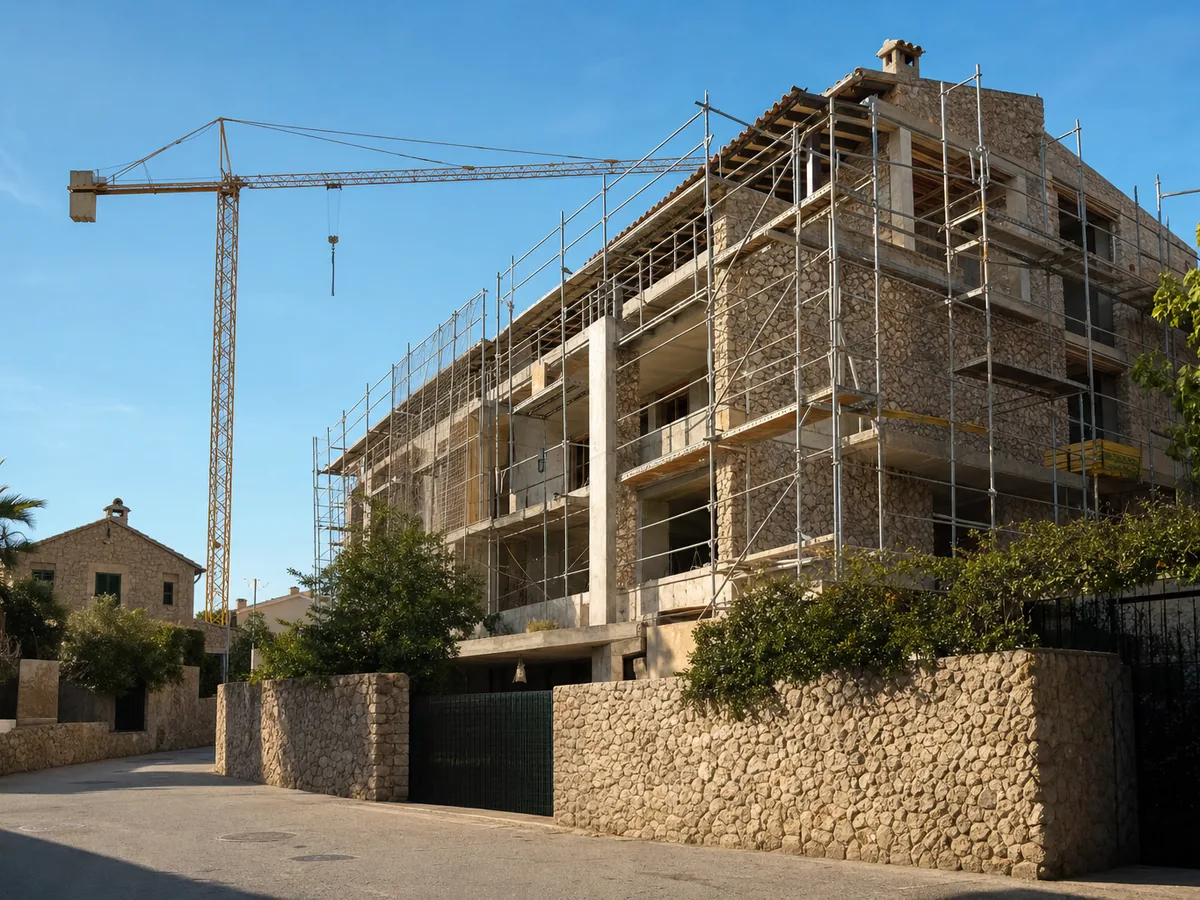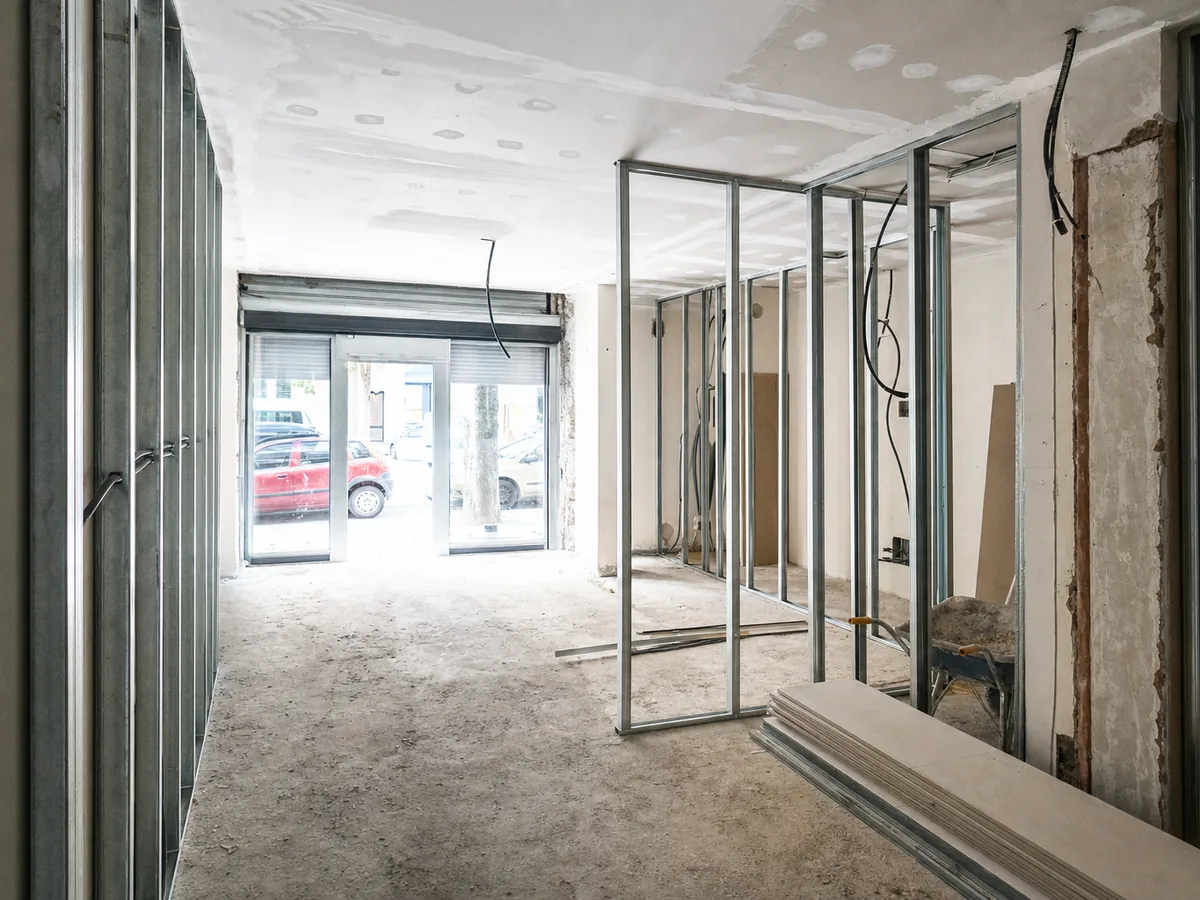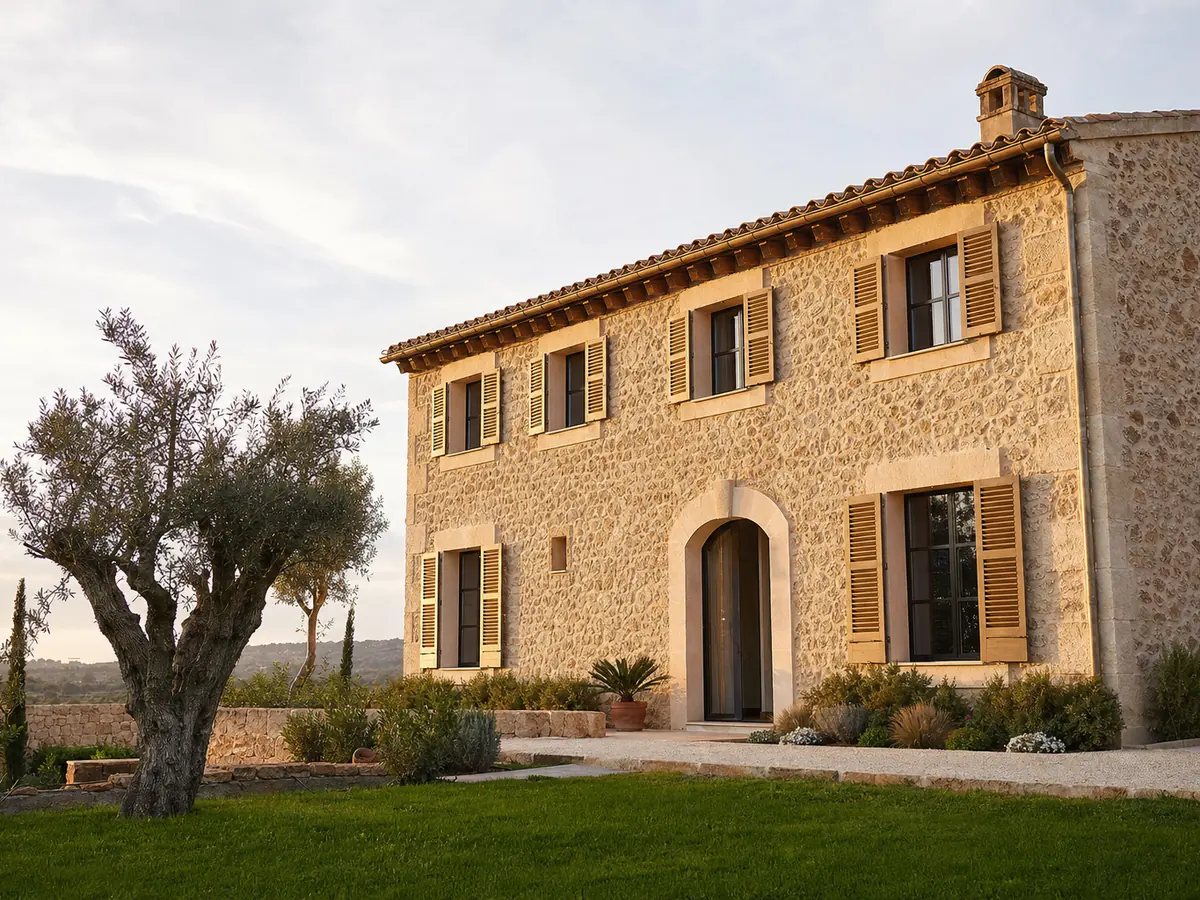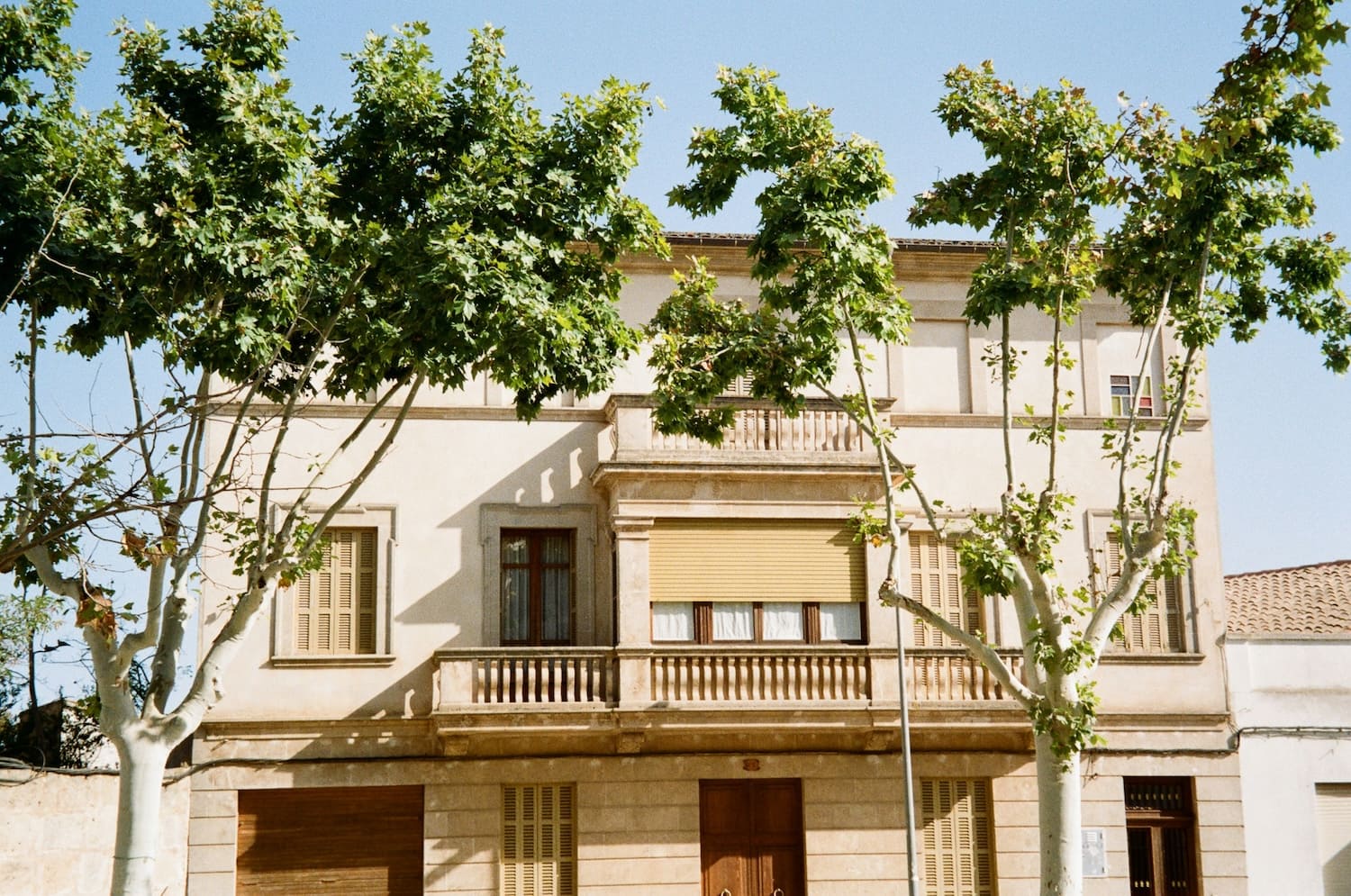
Reinforcing the structure of a house means working on the elements that support the building—beams, slabs, load-bearing walls, pillars, and foundations—to restore their load-bearing capacity or increase their resistance to new loads. At Armalutx we've been doing structural reinforcements in Mallorcasince 1967, in this region, the aging housing stock and the typical structural issues of buildings constructed between 1900 and 1980 are generating very specific demand. This guide helps you identify if your home needs renovation, understand the available techniques, and determine what investment is reasonable in 2026.
What does structural reinforcement consist of?
Structural reinforcement is a technical intervention on one or more load-bearing elements of a building to restore lost structural capacity (due to pathology or deterioration) or increase it (due to new uses or loads). It is not the same as a cosmetic renovation: here, a finish is not changed; the intervention focuses on what supports the building. It is always designed and managed by an architect or engineer with signed structural calculations.
A well-executed reinforcement can extend the lifespan of a building by 30 to 50 years without the need for demolition. We explain this in detail in our article on how can you reinforce an already built house?, with real cases of work delivered in Mallorca.
7 signs your house needs structural reinforcement
These are the most reliable warning signs. If you detect one or more in your home, it's advisable to request a technical report before undertaking any work.
- Staircase or diagonal cracks in load-bearing walls or partitions that extend for more than a third of the wall surface. Thin vertical cracks are not a concern; angled cracks are.
- Beams with visible deflection (downward curvature in the center), longitudinal cracks, or detachment of the concrete cover.
- Slabs that vibrate when stepped on or sound hollow indicate decoupling of the joists or deformation.
- Doors that rub together or windows that don't close properly for no apparent reason. This usually indicates progressive structural movement.
- Unevenness in the ground that can be measured with a laser level, especially if it has appeared in recent years.
- Rust-ferrous stains on ceilings or beams (sign of corrosion of concrete reinforcement, typical of aluminosis or carbonation).
- Repeated creaking sounds unrelated to temperature changes. The structure is moving.
If you find two or more warning signs, don't wait for the third. Investing in a technical report costs between €600 and €1,200 and saves you from hasty decisions or, worse, greater damage.
Most frequent causes of structural pathologies in Mallorca
The island's housing stock has four typical problems that we see repeated in construction projects after project. Understanding them helps anticipate the scope of the intervention even before the technical diagnosis.
- Aluminosis in buildings from the 1960s and 70s: many buildings from that decade in Palma, Inca, Manacor, and other urban centers were built with aluminous cement, which loses strength over time and releases particles. It is the most widespread structural problem in apartment blocks on the island.
- Carbonation in buildings near the sea: salinity attacks the concrete reinforcement. Buildings in Portitxol, Es Molinar, Cala Major, Camp de Mar, Puerto Andratx, or any coastal area are the most affected.
- Wooden beam rot due to dampness: typical in 19th and 20th century village houses. Leaky roofs, ground floors with rising damp, and beams in contact with exterior walls are the critical points.
- Differential settlement in marés or clay soils: the Mallorcan subsoil has layers of sandstone (marés) that can dissolve in water and produce localized subsidence. This creates very characteristic stepped cracks.
These four causes account for 80% of the structural reinforcements we carry out. The remaining 20% are interventions due to changes in use (adding a floor, opening load-bearing walls to integrate spaces) or due to calculation errors in previous construction.
Reinforcement techniques: which ones to use and when
There is no single technique. Each case requires a different system depending on the pathology, the original material, the available space, and the timeframe. This is a comparative table of the techniques we use most often in Construcciones Armalutx:
| Technique | When to use | Estimated useful life | Indicative cost |
| Mecanoviga | Concrete beams with aluminosis or carbonation | 50+ years | 250-400 €/ml |
| Carbon fiber (FRP) | Beams and slabs that need increased capacity without adding weight | 50+ years | 180-350 €/ml |
| Reinforcement with reinforced concrete | Pillars, load-bearing walls, slabs with excessive deflection | Building lifespan | €350-700/m² |
| Metal profiles | Replacement of deteriorated wooden beams, opening of gaps in load-bearing walls | 50+ years | 150-300 €/ml |
| Underpinning with micropiles | Foundation settlements | Building lifespan | 80-200 €/ml of micropile |
| Prestressed (post-tensioned) | Large span slabs that need deflection correction | 40+ years | 200-400 €/m² |
Prices are indicative and vary considerably depending on accessibility, size, and combined pathology. We have technical guides dedicated to the two most requested techniques in Mallorca: the structural reinforcement with mecanobeam and the structural reinforcement with concrete.
Step-by-step process: from diagnosis to certificate
A serious structural reinforcement always follows this order. Skipping steps usually results in an improperly designed intervention or unnecessary expense.
- Preliminary technical inspection: visit by the technical architect, photographs, crack measurements, sketch of the starting condition.
- Tests and analyses: concrete strength tests, identification of cement type (aluminous or Portland), assessment of the condition of the reinforcement and supports. Many of these structures come to light when the Building technical inspection (ITE) in Mallorca.
- Technical report with diagnosis: signed document that identifies the pathology, its cause and the urgency.
- Reinforcement project with structural calculations: plans, report, detailed budget and work plan. Mandatory professional endorsement.
- Processing of municipal license: major works license in most cases, according to Law 12/2017 of Urban Planning of the Balearic Islands.
- Execution of the work: with prior shoring if the pathology is serious, professional direction of the architect/building engineer and quality control.
- Final load tests and completion certificate: documentation that proves that the structure recovers its capacity and can be registered and registered without problems.
The total time from the first report to the final certificate is between 4 and 9 months for a specific intervention, and between 9 and 18 months when we talk about a complete structural rehabilitation of a building.
When reinforcement is NOT the solution
Not everything can be reinforced. There are three situations where technical honesty dictates discarding reinforcement and considering demolition and reconstruction:
- Widespread aluminosis in all floor slabs: when the problem affects more than 60% of the structure, the cost of reinforcement approaches or exceeds that of new construction. And the residual risk is high.
- Progressive settlements in foundations with unstable soil: if the subsoil cannot be consolidated (areas with natural cavities, old extractions of marés), underpinning does not stop the problem in the long term.
- Buildings with cross-pathologies in structure, installations and envelope: when everything is at the end of its useful life, partial rehabilitation is extremely expensive and the result never reaches the quality of new construction.
A reputable construction company will tell you this before starting. The opposite—selling reinforcement when it's not technically necessary—puts the client and their assets at risk.
How much does structural reinforcement of a home cost in 2026?
The cost depends on the scope, technique, and accessibility. These are the current market ranges in Mallorca for the most common cases:
- Reinforcement of a concrete beam with aluminosis (mecanoviga, 4-6 m in length): €1,500-3,000 per beam.
- Reinforcement of a complete floor slab with carbon fiber (approx. 50 m²): €9,000-18,000.
- Replacement of a wooden beam with a metal profile (5-7 m): €1,200-€2,500 per beam.
- Foundation underpinning with micropiles (100 m² single-family home): €25,000-€50,000.
- Complete structural rehabilitation of a 4-story multi-family building: €80,000-€200,000 depending on the pathology.
To this must be added the technical fees (architect, surveyor, calculations): usually between 8% and 141% of the construction budget. It's an investment, not an expense: a house with a sound structure gains market value and, above all, can be used and insured again without restrictions.
Frequently asked questions about structural reinforcement
How long does a well-done structural reinforcement last?
Modern techniques (mecanovigas, carbon fiber, well-executed reinforced concrete) have a lifespan of 50 years or more. In the case of reinforcements with corrosion-resistant metal profiles and properly sized micropiles, we're talking about the lifespan of the building itself. What determines actual durability is the quality of the technical design, the materials used, and the execution.
Do I need a building permit to reinforce the structure of my house?
Yes. In almost all cases, a major works permit is required, since any work on structural elements is considered a structural alteration under Law 12/2017 on Urban Planning of the Balearic Islands. The application requires a technical project signed by a registered architect, with official approval and professional supervision during construction.
Can I live in the house during the structural reinforcement?
It depends on the affected area. Localized reinforcements (a beam, a limited section of the floor slab) usually allow the house to remain inhabited with restricted access to certain rooms. Widespread reinforcements or work on load-bearing walls involve shoring up several floors and temporary evacuation—between 2 and 8 weeks depending on the scope. We define this during the project phase.
Is structural reinforcement covered by home insurance?
Generally, no, unless the problem is the result of an insured event (fire, flood, earthquake, impact). Problems caused by natural deterioration (aluminosis, carbonation, rot), original design errors, or non-sudden settlement are not covered. Public funding for rehabilitation may be available: the State Housing Plan and the Balearic Islands' regional plans include subsidies for structural improvements under certain conditions.
What happens if I don't reinforce a house with clear signs of pathology?
Three things, in this order. First, the problem progresses: a crack doesn't close on its own, a beam with aluminosis continues to lose strength. Second, the cost of intervention increases because the damage spreads to adjacent elements. Third, the day arrives when the building is at risk of partial or total collapse, at which point the only legal and technical option is to evacuate and demolish it. The sensible thing to do is to act as soon as two or more warning signs are detected.
Request a technical inspection before making any decisions.
If your home shows any of the signs described in this guide, the first step is a thorough technical assessment—not a quick estimate. At Armalutx, we offer a free preliminary technical inspection in Mallorca: a building surveyor will visit, assess the condition, advise you on any urgent needs, and, if necessary, provide a comprehensive report or reinforcement plan. For complete details on our services, please visit structural reinforcements in Mallorca. Call +34 625 16 47 18 or email info@armalutx.com. No obligation.