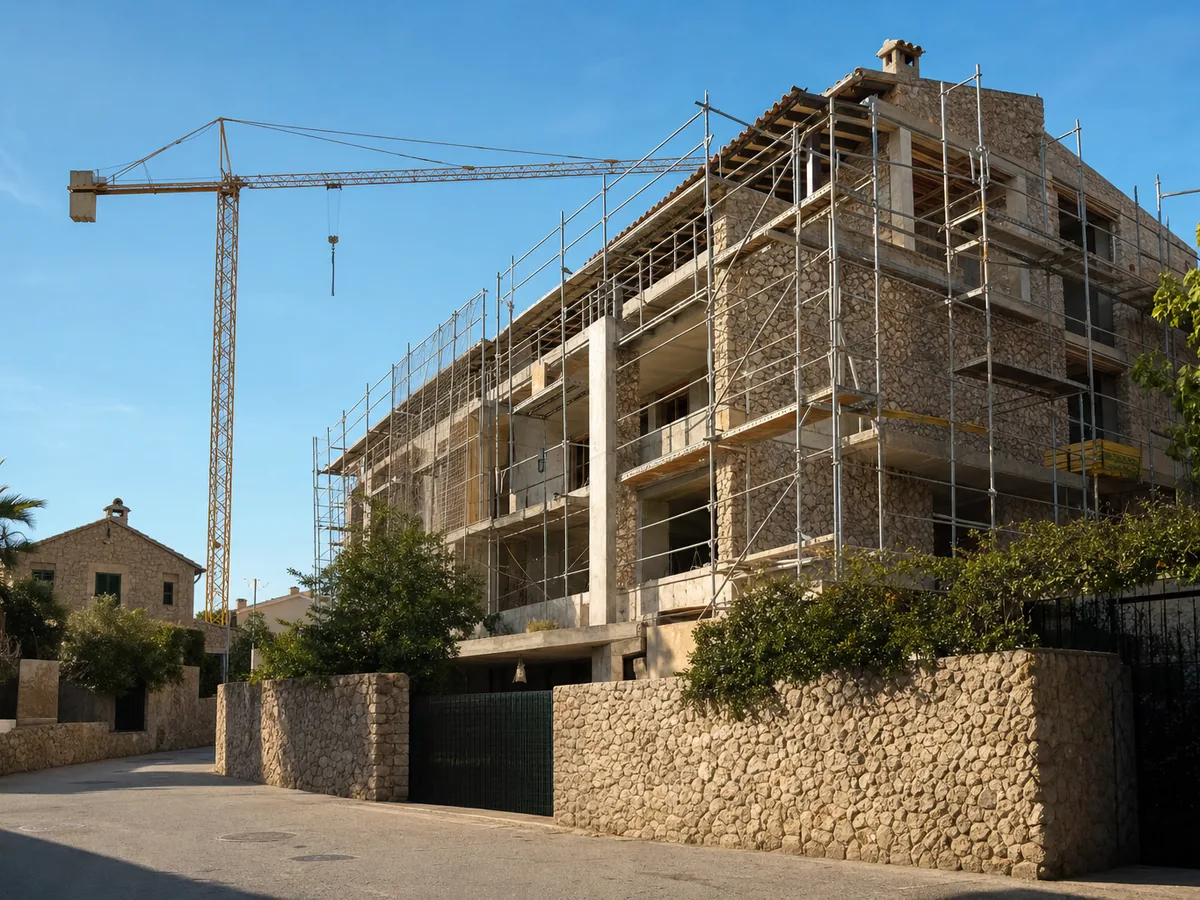
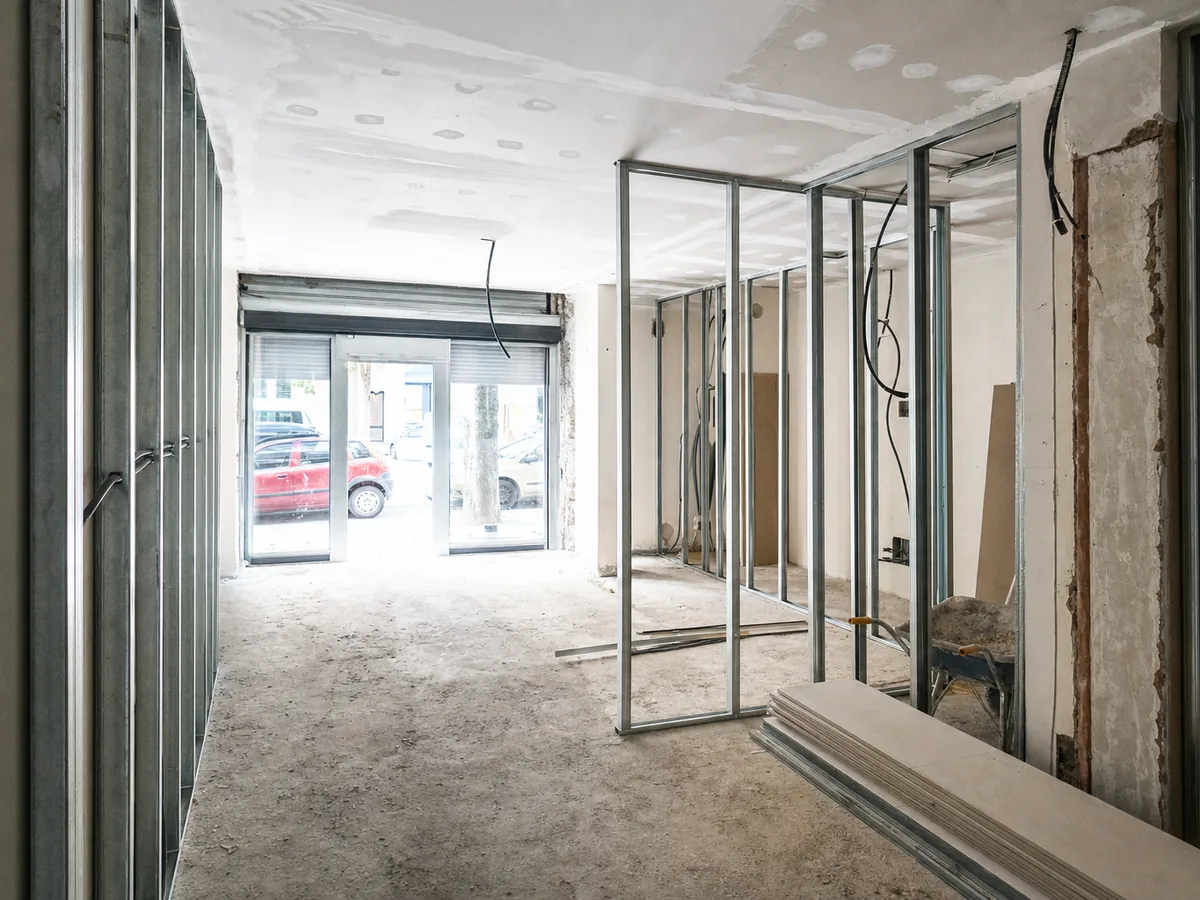
Over time, many homes deteriorate due to natural aging or lack of maintenance. This not only affects the property's aesthetics but also compromises its functionality and safety. In these cases, structural reinforcement with concrete is an effective solution for restoring strength and extending the lifespan of structures.
This type of intervention offers a cost-effective alternative to demolition and reconstruction, improving both the stability and value of the property.
Main concrete reinforcement techniques
Formwork and jacket
It consists of increasing the cross-section of damaged structural elements by placing formwork and pouring new concrete. It improves compressive strength and provides an additional protective layer against future structural stresses.
Shotcrete or mortar gunite
This method uses a high-pressure hose to spray concrete onto the surface to be reinforced. It's ideal for hard-to-reach areas and offers a fast and long-lasting solution. It can be used with dry, wet, or semi-wet mixes, adapting to the substrate conditions.
Microconcrete injection
It is used to reinforce internal elements such as beams, pillars, or walls, injecting concrete through pipes that reach the most affected areas. It can be applied in ascending or descending phases, or in repeated pulses, ensuring even distribution.
Why choose concrete to reinforce structures?
Improved load-bearing capacity and rigidity
Concrete significantly increases the load-bearing capacity of reinforced elements, improving their resistance to permanent and variable loads. It also increases structural rigidity, which prevents deformation and reduces the risk of collapse.
Corrosion protection
Thanks to its high density and strength, it acts as a protective barrier against corrosion caused by humidity, thermal changes, and chemical agents, slowing the deterioration of the original materials.
Application in common structural pathologies
Structural reinforcement with concrete is useful against:
- Carbonation due to prolonged environmental exposure.
- Corrosion of reinforcements due to humidity or lack of maintenance.
- Cracks due to overload or settlement.
- Chemical reactions such as aggregate-alkali.
How is a structural intervention carried out with concrete?
Initial inspection and diagnosis
A visual and technical assessment of the property's condition is performed using non-destructive testing. This allows the degree of damage to be determined and an appropriate intervention plan to be defined.
Surface preparation and reinforcement placement
Surface cleaning is crucial to remove dirt, grease, or loose materials. Then, reinforced steel reinforcement bars are placed with spacers to ensure proper adhesion and reinforcement distribution. One of the most frequent reasons for reinforcing a floor slab is aluminosis.
Pouring, gunning or injection and curing
Depending on the technique used, concrete is applied by traditional pouring, shotcreting, or injection. After application, it is cured to ensure the material's hardening and durability.
System Limitations and Precautions
Shrinkage and risk of cracking
Concrete can experience various types of shrinkage, which can lead to cracking if ambient humidity is not controlled. Good mix design and careful application are essential.
Weight gain in the structure
The addition of concrete increases the structure's dead weight, so the load-bearing capacity of the original building must be taken into account to avoid overloading and deformation.
Applicable technical regulations
The reinforcement must comply with the Spanish Structural Concrete Instruction (EHE), which establishes the permitted materials and procedures. It includes fibres, additives, recycled aggregates, and other specifications to ensure a safe and effective result.
Comparison with other reinforcement methods
Concrete vs. carbon fibre
Carbon fibre is a lighter and less invasive solution, but concrete offers greater structural strength and durability against impacts and adverse environmental conditions.
Concrete vs. metal profiles
Although metal profiles allow for faster interventions, they are more vulnerable to corrosion and seismic movements. Concrete, on the other hand, provides a more robust and long-lasting solution.
Economic and functional advantages of concrete reinforcement
- Increased strength and durability of the structure.
- Preventing long-term damage and reducing the risk of collapse.
- Savings on future maintenance thanks to its durability.
- Property appreciation, especially in established urban areas.
At Construcciones Armalutx we are specialists in structural reinforcement in Mallorca
At Construcciones Armalutx, we specialize in structural reinforcement with concrete in Mallorca, offering safe, durable solutions tailored to the needs of each property. We have highly qualified technicians, regulatory compliance, and top-quality materials. Contact us to request your technical diagnosis and personalized quote. We will help you reinforce your home with complete confidence.