The habitability certificate in Mallorca is the document issued by the Island Council that certifies a property is suitable for habitation. It is valid for 10 years, costs between €90 and €200 (technician's fees plus the Island Council's fee, around €12–€24 in 2026), and is mandatory for contracting water, electricity, and gas services, as well as for renting or selling the property.
If you are going to rent or sell a flat or connect electricity and water, sooner or later you will be asked for the habitability certificate in Mallorca; for a new-build home, since 2024, that role is played by the town council's first occupation licence. It is one of those procedures that only comes up when you need it urgently, and then the questions start: what it is, who issues it, how much it costs and how long it takes. In this guide we explain, without jargon, how the habitability certificate works in the Balearic Islands, what types there are, the steps to obtain it and how it fits in with a new build or a renovation. We are a construction company with more than 50 years in Mallorca and this document is part of closing every project we hand over.
What is a habitability certificate?
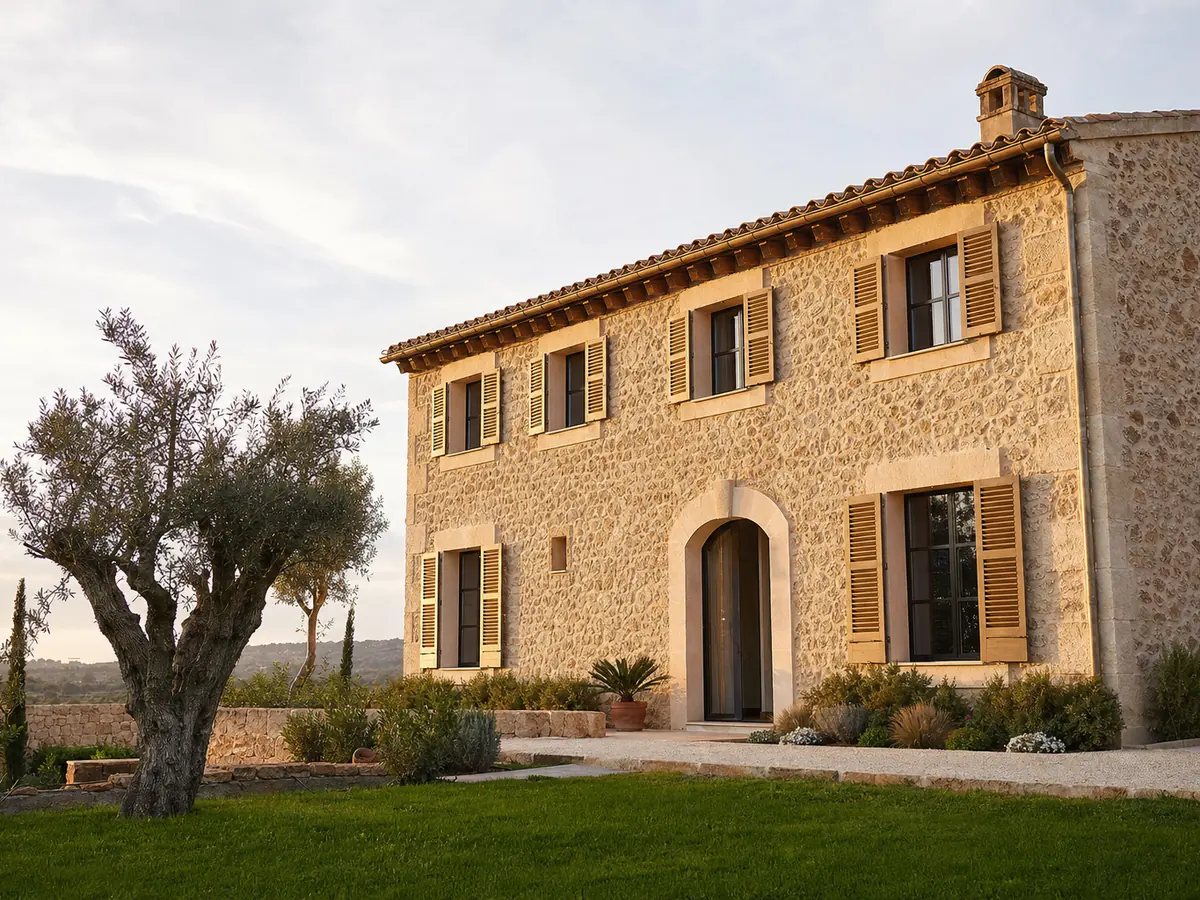
The habitability certificate is an administrative document issued by the Island Council that certifies that a dwelling, converted premises, or residential building meets the minimum conditions for habitation. It does not confirm that the house is beautiful or well-maintained; rather, it certifies that it complies with the regulations regarding size, hygiene, sanitation, and installations (water, electricity, ventilation) and is therefore suitable for living.
In the Balearic Islands it is regulated by the Law 5/2018, on housing in the Balearic Islands, which assigns the responsibility to the island councils. In Mallorca, it is managed by the Consell de Mallorca through its Department of Habitability. Each island has its own body, but the technical requirements are common to the entire autonomous community.
What is the purpose of a habitability certificate?
A habitability certificate is a legal requirement in three very specific situations: registering or changing the account holder for utilities, renting, and transferring ownership of the property. Without it, the property is left in an administrative limbo that complicates any transaction.
You need it to contract for water, electricity, gas, or other energy and telecommunications services, as companies require it before signing. It's also essential for renting: the landlord must provide a current copy to the tenant. And in a sale or transfer of use, a copy of the current habitability certificate must be included, although in the Balearic Islands, its absence does not in itself prevent the signing before a notary.
What types of occupancy certificates are there in the Balearic Islands?
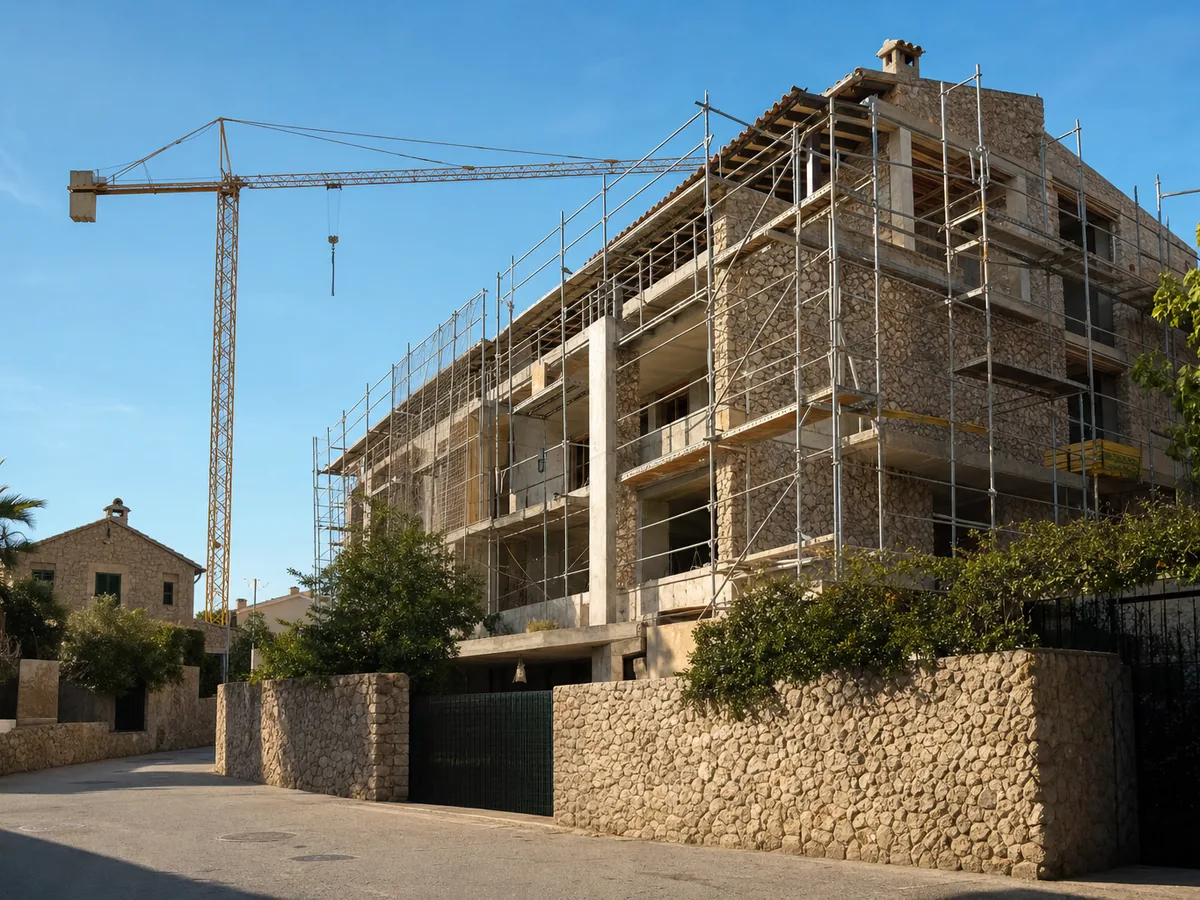
Not all certificates are processed in the same way, and choosing the right type is the first step to avoid wasting time. The first occupation certificate no longer exists: since 29 May 2024, for new builds and in the other cases where it was required (renovations affecting more than 60% of the layout, or changes of use), it has been replaced by the occupation or first use licence granted by the town council. The renewal certificate applies when there was already a certificate (or a municipal first occupation licence) and it has expired. The carencia (no previous certificate) certificate is for old homes, completed before 1 March 1987, that never had one. And the duplicate covers cases of loss with no later works.
| Type of ID card | When does it apply? | Validity |
|---|---|---|
| First occupancy (from 29-5-2024, licence from the town hall) | New construction, extension or renovation that affects more than 60% of the distribution, or change of use | 10 years |
| Renewal | A certificate or first occupation licence already existed and has expired, without any major works being carried out. | 10 years |
| Lack | Dwellings completed before 1 March 1987, without prior certificate or urban planning violation | 10 years |
| Duplicate | Lost valid ID card, no subsequent work | Remaining of the original validity |
How do you obtain a habitability certificate in Mallorca?
To obtain a habitability certificate in Mallorca, you need a qualified professional—an architect or building engineer—to inspect the property and sign the certificate. Afterwards, you must submit the application to the Consell de Mallorca (Mallorca Council). This is not a process that can be done independently. The step-by-step procedure is as follows:
- Hire a competent technician (architect or technical architect) to evaluate the property.
- Property inspection: the technician checks dimensions, ceiling heights, ventilation, hygiene and the condition of the services.
- Documentation: the habitability certificate, the energy performance certificate, the floor plan and the cadastral reference are prepared.
- Electronic submission in the electronic headquarters of the Consell de Mallorca, signed with a digital certificate, and payment of the fee corresponding.
- Resolution and issuance: the Consell decides within about a month; if there is no answer after that, positive administrative silence applies and the certificate is deemed granted.
If the property is in Palma and there is a change of use or a first occupation, check the planning side first on the Palma City Council's online portal.
How much does a habitability certificate cost?
The cost of the habitability certificate is divided into two parts: the administrative fee charged by the Consell (local government), which is fixed, and the technician's fees, which are not fixed and vary depending on the professional and the size of the property. Overall, in 2026, the typical cost for a standard dwelling is between €90 and €200.
The fee charged by the Consell de Mallorca is low: around €12 for a house and about €24 for a commercial property or residential building, although the exact figures may change annually, so it's best to confirm them at the official office. The bulk of the cost is the technician's fee for the visit and the preparation of the certificate. Be wary of prices significantly below market rates: these often conceal superficial inspections that can later cause problems when issues arise.
How long does the occupancy permit last and when does it expire?
In the Balearic Islands, a habitability certificate is valid for 10 years from the date of issue, regardless of who the owner or occupant is. Once this period expires, it must be renewed to continue renting, selling, or registering utilities as normal.
The expiration is automatic and no one notifies you. Many homeowners discover their occupancy certificate has expired just as they're about to sign a rental agreement or a sale, so it's advisable to check the date beforehand. Renewal is processed the same way as the initial application—technician inspection, certificate, and submission to the Consell (local council)—but it's usually faster because the property already met the requirements. If you've carried out a major renovation, instead of renewing the certificate, you'll need to apply to the town hall for a first occupation licence, which has replaced the occupancy certificate since 2024.
What is the difference between a habitability certificate and a first occupation licence?
Until May 2024, there were two separate documents with two separate inspections: one municipal, verifying that the construction conformed to the permit, and another island-level inspection checking the habitability conditions. Since 29 May 2024, for new homes, both inspections are carried out by the town hall with the first occupation licence or first use licence.
The first occupation licence is granted by the town council: it confirms that the works were carried out in line with the building licence and recognises that the home is fit to live in. The habitability certificate is issued by the Consell and applies to existing homes: it expires after 10 years and must be renewed, also 10 years after the first occupation licence. For a new build, therefore, the project is closed with the municipal licence. If you want to go further, check which building licences in Mallorca you need before you start.
When can you NOT obtain a habitability certificate
Not every building obtains the occupancy certificate: the technical inspection is a real filter, and if the property doesn't comply, the application is denied. These are the most frequent situations in which the occupancy certificate cannot be obtained:
- The dwelling does not meet the minimum conditions: insufficient surfaces or heights, lack of ventilation and natural light, or absence of a bathroom or kitchen in good condition.
- There is a planning breach or the building has not been legalised (extensions without a licence, non-conforming buildings without cover).
- The first occupation licence is missing in buildings after 1987 that should have one.
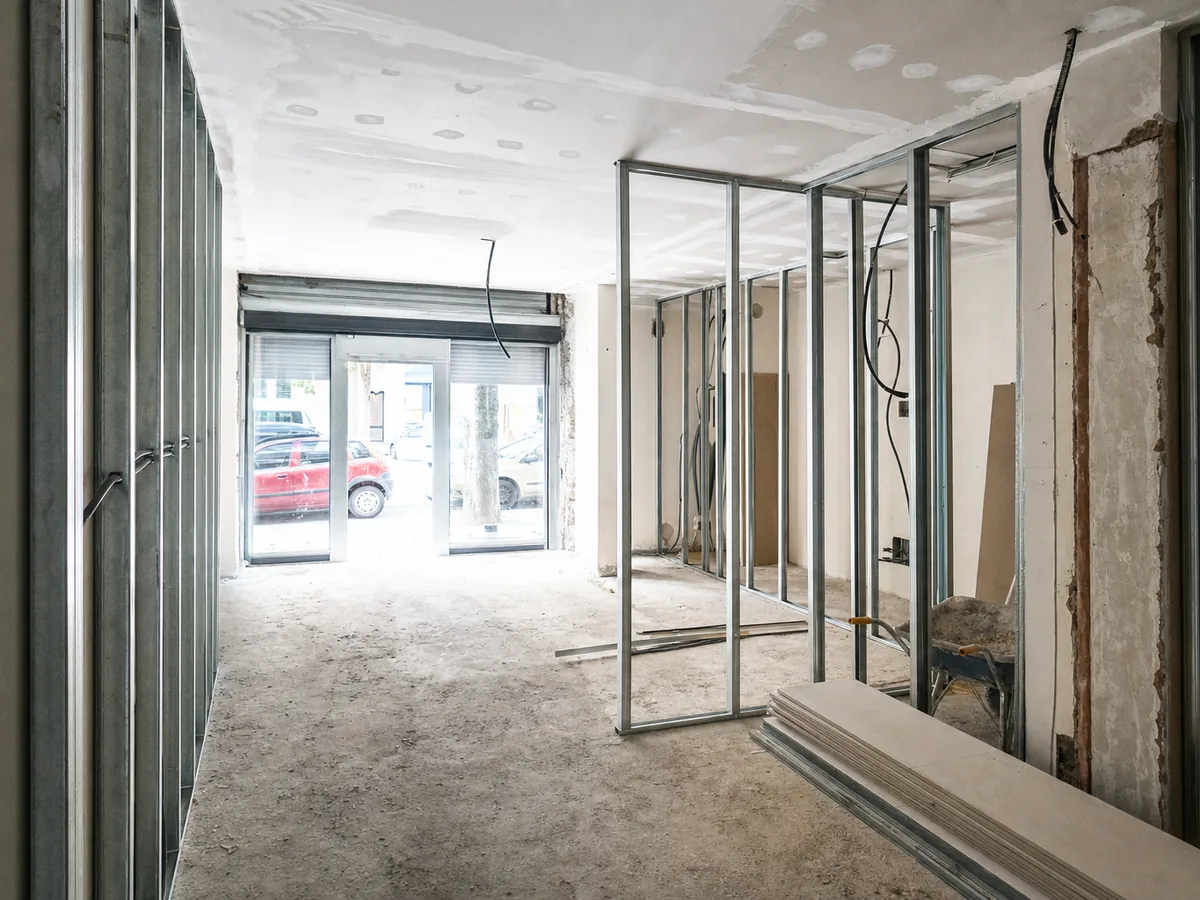
- The premises have not completed the change of use to residential. This is the case of anyone who wants to convert commercial premises into a home in Palma without first legalising the residential use.
- Serious health or safety deficiencies detected in the inspection (structural dampness, hazardous installations).
Frequently asked questions about the habitability certificate in Mallorca
Is a habitability certificate mandatory to sell a house in Mallorca?
When transferring ownership of a property through sale, rental, or lease, a copy of the current habitability certificate must be included. In the Balearic Islands, its absence does not, in itself, prevent signing before a notary, but it creates practical problems: the buyer will not be able to register the utilities normally. It is advisable to have a valid habitability certificate before putting the property up for sale.
Can I register for electricity and water without a habitability certificate?
Not normally. For a final contract for water, electricity, gas, or other energy services, you need a valid habitability certificate or, in the case of a new home, a first occupation licence. Companies request this before formalising the connection, especially for homes that have never had service. Without this document, the connection is blocked or only granted provisionally for construction work.
What happens if my occupancy permit has expired?
An expired habitability certificate (more than 10 years since its issuance) is no longer valid for renting, selling, or registering utilities. The solution is to apply for a renewal certificate: a technician verifies that the property still meets the requirements and submits it again to the Consell (local government). If, during that time, you have carried out renovations affecting more than 60% of the layout, you will need to apply to the town hall for a first occupation licence.
How long does it take to obtain a habitability certificate in Mallorca?
The timeframe depends on two phases. The technical part—hiring the professional, the inspection, and drafting the certificate—is usually completed in a few days. Afterwards, the Consell de Mallorca has approximately one month from the date all the documentation is submitted; if it does not issue a decision within that period, the principle of tacit approval applies, and the certificate is considered granted.
Do I need a habitability certificate for a newly built home?
Not since 29 May 2024: a new-build home needs the town council's occupation or first use licence, which replaces the first occupation certificate and also recognises that the home is habitable. With it you can move in and sign up for permanent supplies, and the Consell certificate comes after 10 years, as a renewal. That is why the construction company should hand over the works with the final certificate and the paperwork ready to apply for that licence. It is one of the points worth checking before signing, as we explain in the guide to buying a house in Mallorca as a foreigner.
—
At Construcciones Armalutx we have been building and renovating homes all over Mallorca since 1967, and we hand over every project with the technical documentation and licences in order to obtain its first occupation licence or habitability certificate. If you are thinking of a new build in Mallorca or a renovation that means renewing the certificate, tell us about your case with no obligation: we will explain, with no surprises, which procedures your project involves.