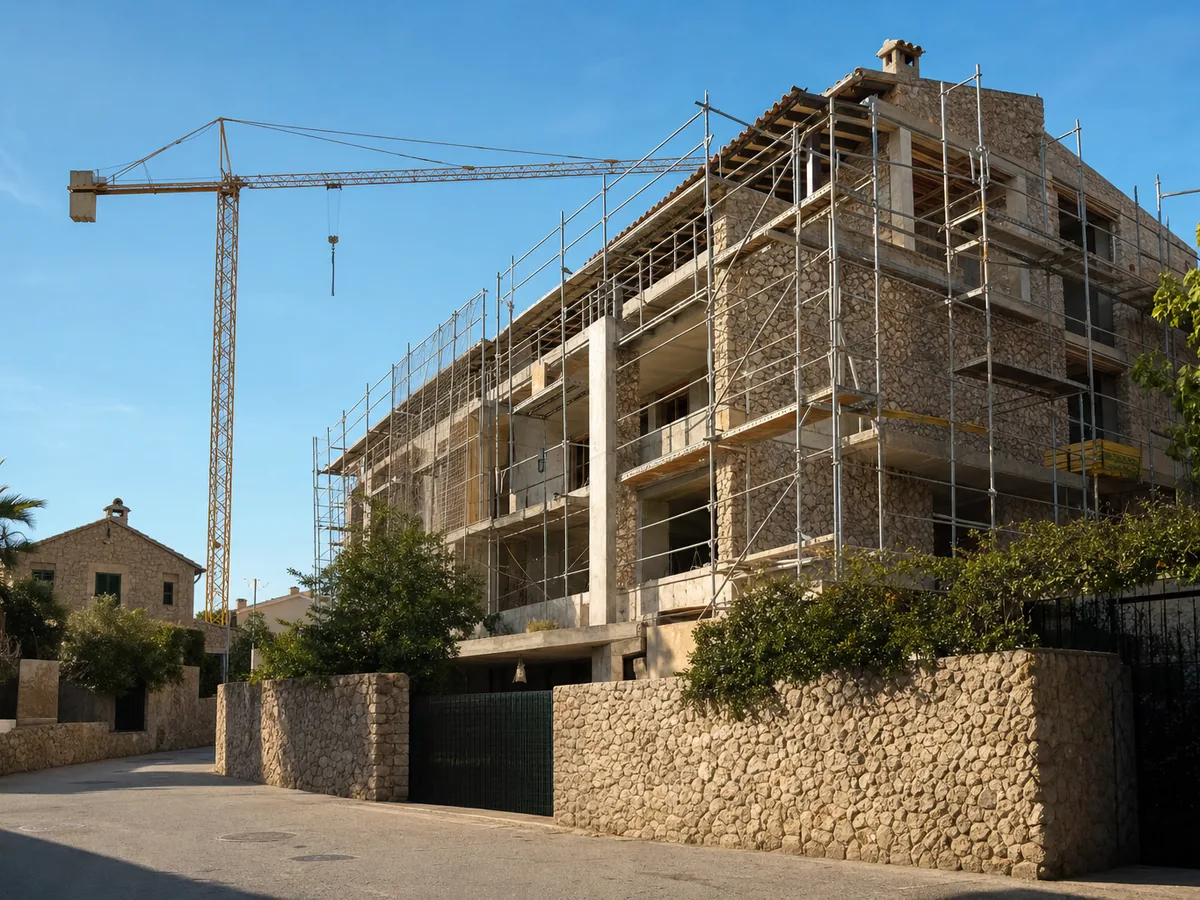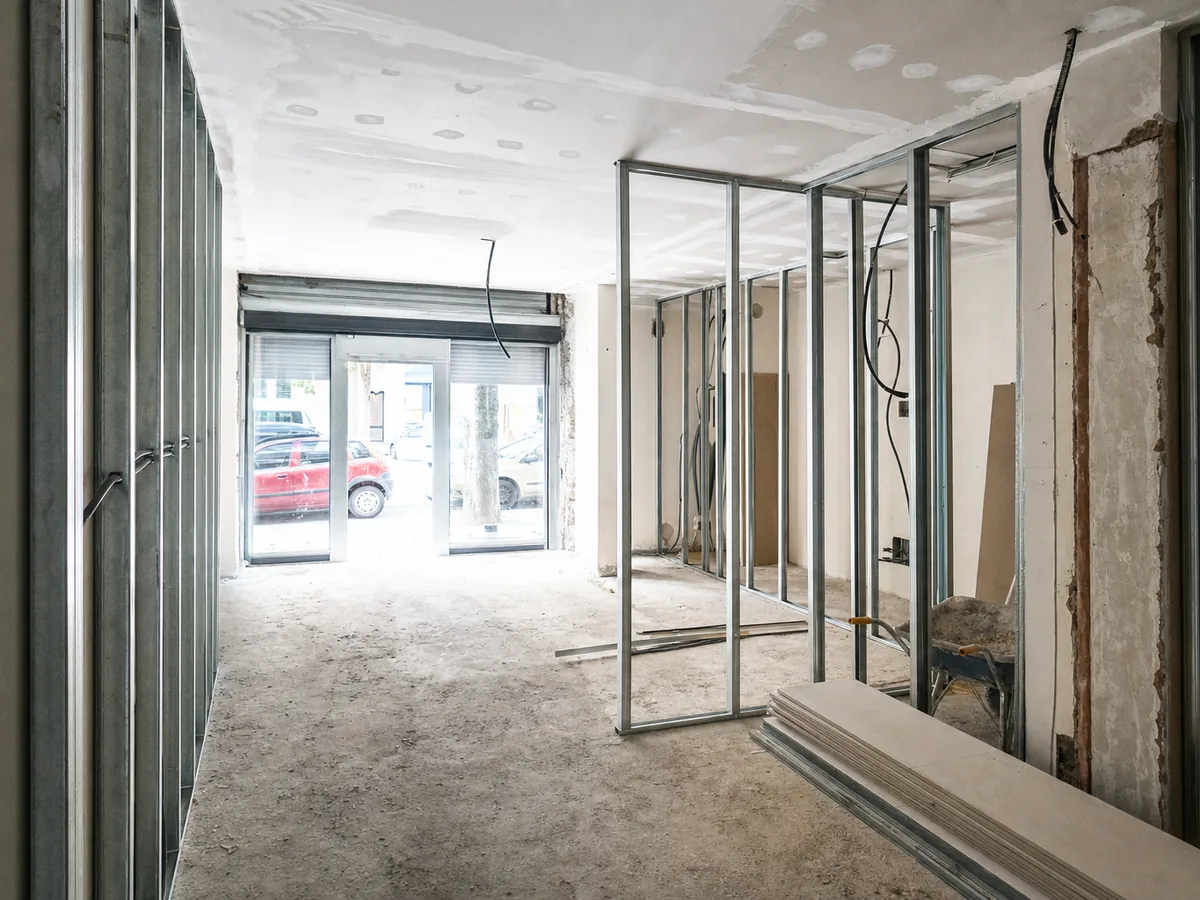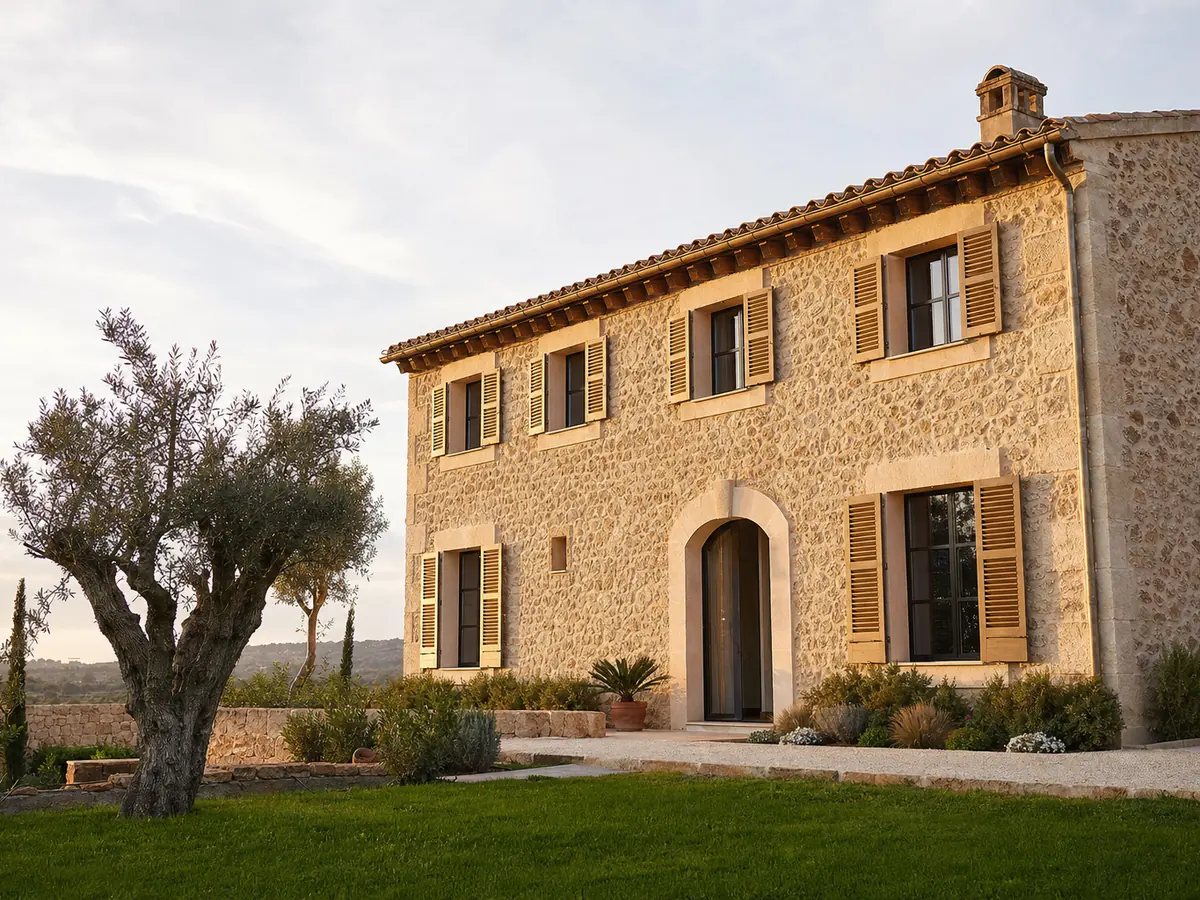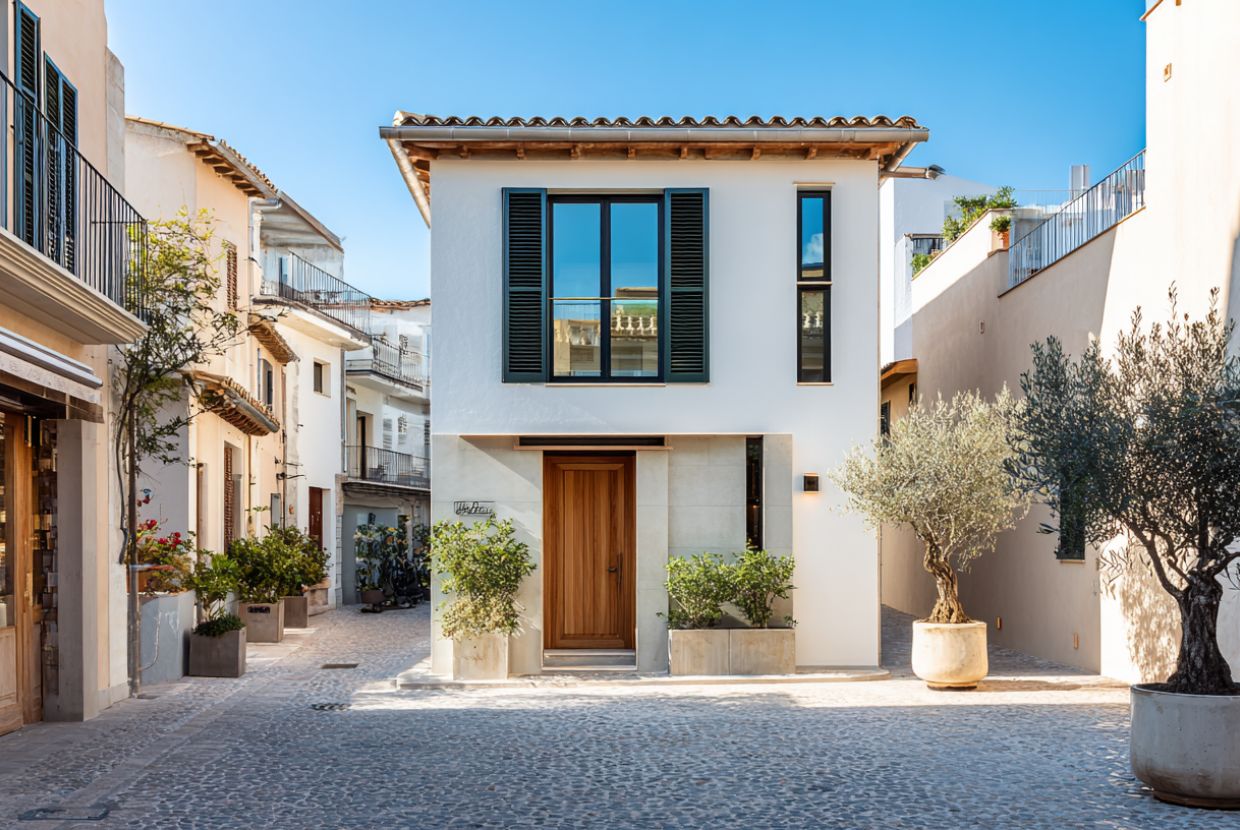
Before embarking on any residential project in Mallorca, it's essential to understand a key technical aspect that influences everything from the initial sketch to the final construction: the permitted building heights in Mallorca. This factor not only dictates the architectural design but also the maximum building volume, the necessary budget, and the project's legal viability.
Contrary to popular belief, there is no single height limit for the entire island. Permitted building heights in Mallorca are determined by a complex regulatory framework that combines regional legislation, the urban planning regulations of each municipality, and, above all, the specific characteristics of the land where the plot is located. Therefore, it is essential to study each case individually.
The legal framework that regulates building heights in Mallorca
The legal basis is the Balearic Islands Urban Planning Law and its implementing regulations. This legislation establishes general guidelines but leaves the responsibility for setting specific parameters—number of floors, maximum height in metres, buildable area, and site occupancy—to the municipalities.
Each municipality, from Palma to Manacor, including Calvià, Inca, and Llucmajor, has its own General Urban Development Plan (PGOU) or equivalent regulations. These documents precisely define the permitted building heights in Mallorca, zone by zone, and even street by street in some cases. Therefore, a single-family home can have very different regulations depending on its exact location.
According to the type of land: urban, developable or rural
Urban and developable land
In consolidated urban areas, where most housing is concentrated, height limitations are usually expressed by two values: number of floors (for example, ground floor plus one, two or three) and maximum height in metres, measured from the official ground level to the cornice or eaves.
In low-density residential neighbourhoods, restrictions typically limit buildings to a ground floor plus one or two additional stories. In central or more densely built-up areas, greater heights may be permitted, provided they maintain harmony with existing buildings and the urban environment.
In developable land, the details are defined in the corresponding partial plans or planning projects, where the permitted height, volume and type of building allowed are specified.
Rustic soil
This type of land is subject to much stricter regulations. The permitted building heights for residential construction on rural land in Mallorca are very limited, and generally only detached single-family homes are authorised. Typically, only one story is allowed, or in some cases, a ground floor plus one additional story, with strict height limits.
In addition, multiple additional conditions must be taken into account: the minimum area of the plot, the landscape integration, territorial easements or environmental requirements.
How to measure the height of a building
One of the most common mistakes is not understanding how to calculate the height. It's not measured "by eye," but rather according to technical criteria established by each municipality. Generally, the measurement is taken from the official ground level or the natural ground surface to the lowest point of the roof slab or to the cornice.
Elements such as chimneys, coffered ceilings, or pergolas may require separate treatment and are not always included within the maximum permitted height limit.
Number of floors does not always equal a specific height
One potentially confusing aspect is assuming that the number of floors automatically defines the total height. Two buildings with "ground floor + 2" can have different heights if the clear distance between floors varies. Therefore, knowing the number of permitted floors is not enough; it is equally important to verify the total authorised square footage.
Recent changes: greater flexibility in some areas
In recent years, regulatory changes have been approved to address the housing access problem. In certain urban areas of Mallorca, it is permitted to match the height of adjacent buildings or add an extra floor if certain requirements are met.
These measures aim to increase the housing supply without occupying more land, by promoting rehabilitation and densification in already established areas. However, each case must be carefully analysed, as this is not a general rule applicable across the entire island.
Why is the urban planning certificate key?
Before starting any design work, it is essential to obtain a planning certificate issued by the relevant town hall. This document details precisely the permitted building heights for residential construction on a specific plot of land in Mallorca, as well as other key parameters such as buildable area and permitted uses.
Having this information from the outset prevents design errors, cost overruns, and delays in the licensing process. In these cases, sound technical advice makes all the difference.
Common mistakes to avoid
Among the most frequent failures in this type of project are:
- Assuming that one can build to the same height as the neighbours, without confirming the applicable regulations.
- Not taking into account the slope of the terrain, which directly influences the calculation of the height.
- Confusing buildability with permitted height.
Avoiding these mistakes is vital to ensuring that the project is viable both technically and legally.
Construcciones Armalutx: experience and commitment in Mallorca
At Construcciones Armalutx, we have in-depth knowledge of the permitted building heights for residential construction in Mallorca and the regulations that govern them. As a construction company based in Mallorca, we support our clients from the initial site analysis to the final handover of their homes, ensuring that every step complies with the law and the most demanding quality standards.
If you're considering building your own home and want to do so with complete peace of mind, we can help. Contact us and discover how to shape your project with the confidence of knowing you're in good hands.